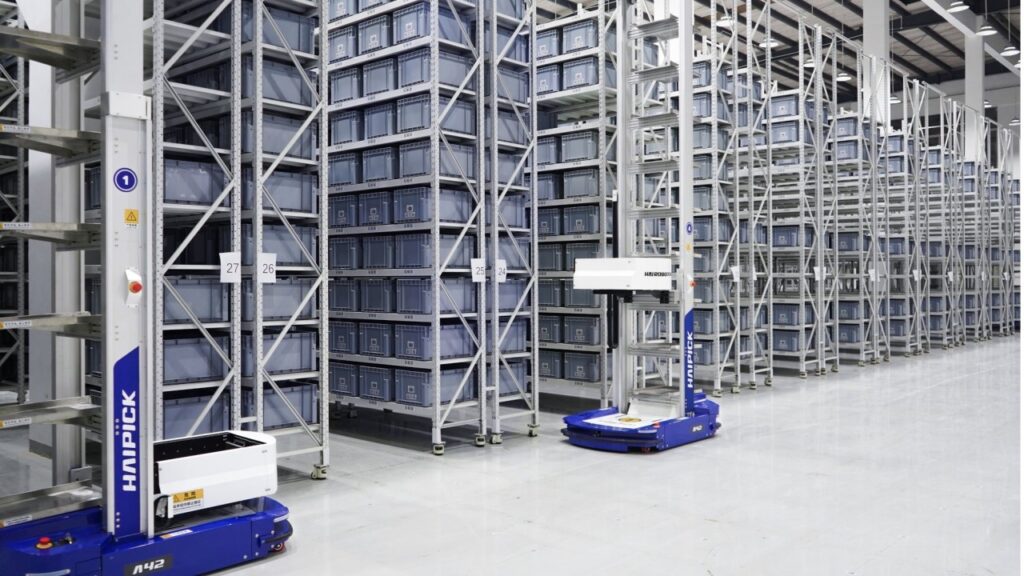
Can Your Concrete Floor Withstand 15 Years of High Traffic?
AMRs and AGVs can travel the same routes thousands of times per day. Their repetitive wheel loads, acceleration, braking, and turning forces can rapidly expose weaknesses in a concrete floor’s wearing surface.
A floor may appear strong at commissioning but begin dusting, polishing, raveling, or losing surface paste shortly after automation starts. Abrasion-resistance testing helps identify this risk before the robots are deployed.
BCA Abrasion-Resistance Testing
The BCA test, performed in accordance with EN 13892-4, provides a quantitative measurement of a concrete floor’s resistance to surface wear.
The test machine uses three hardened-steel wheels traveling over a circular path under a standardized load.
Key test parameters include:
- Total applied load: approximately 65 kg
- Rotation speed: approximately 180 rpm
- Test duration: approximately 15 minutes
- Total rotations: 2,850
- Measurement accuracy: 0.01 mm
Surface elevations are measured before and after testing at eight locations around the wheel path. The average loss in surface depth determines the abrasion-resistance classification.
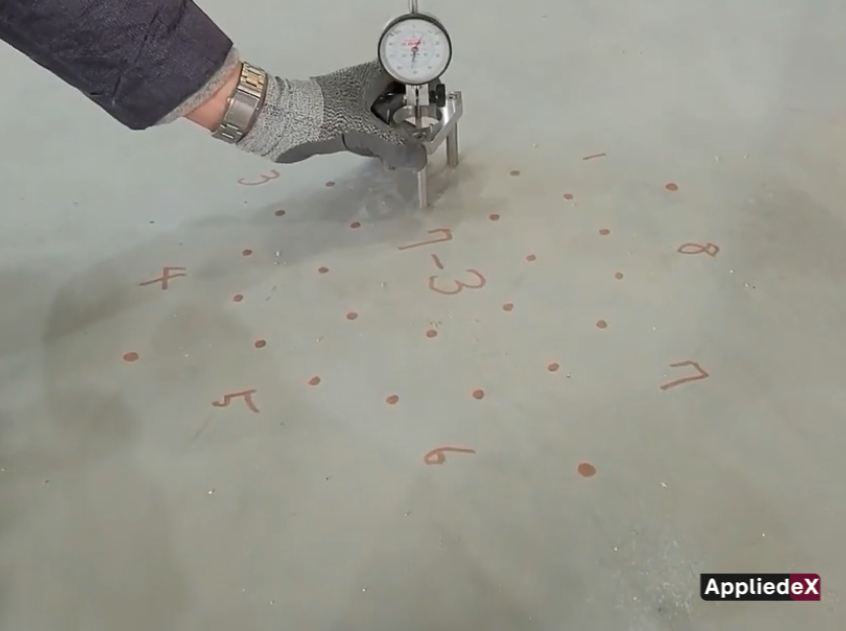
BCA Abrasion Classes
Under EN 13813, lower measured wear indicates higher abrasion resistance:

For high-cycle AMR and AGV environments, AR1 or AR0.5 may be appropriate in heavily traveled routes, turning areas, charging stations, and transfer points. The final requirement should be based on robot wheel loads, wheel material, traffic volume and operational conditions.
Why This Testing Matters
BCA testing can quickly identify:
- Weak surface paste
- Inadequate curing
- Excessive finishing water
- Poorly applied hardeners or densifiers
- Differences between concrete placements
- Areas at risk of premature dusting or wear
The results provide measurable acceptance criteria instead of relying only on visual inspection.
Testing can also help determine whether the floor requires localized densification, grinding, resurfacing, an industrial topping, or full replacement before automation equipment is installed.
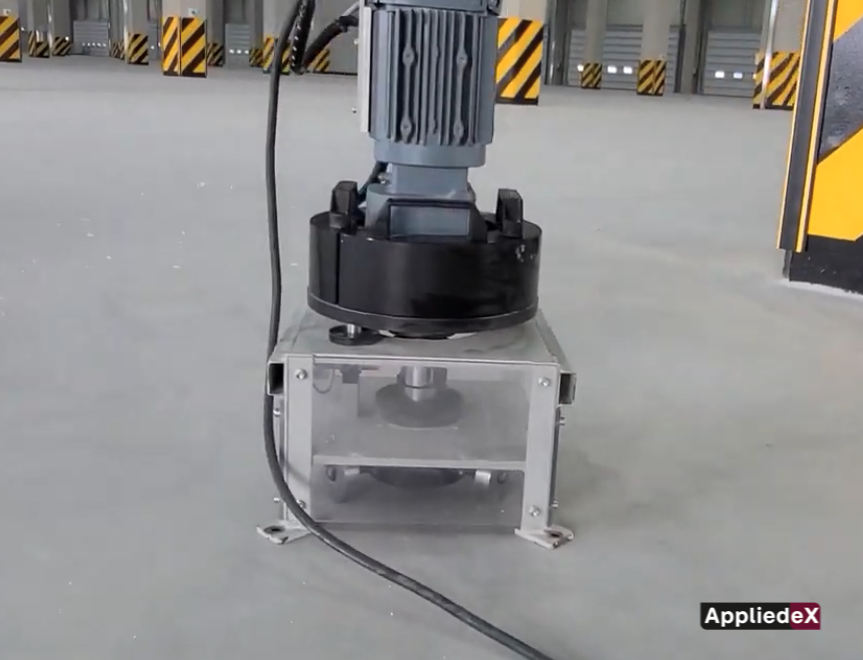
Evaluating 15-Year Wear Potential
The BCA test does not directly reproduce 15 years of AMR or AGV traffic. It provides an accelerated abrasion indicator that can be combined with operational data to assess long-term wear risk.
A technical evaluation should consider:
- Loaded robot weight
- Individual wheel loads
- Wheel hardness and material
- Daily travel cycles
- Fixed or concentrated traffic routes
- Turning and braking frequency
- Abrasive debris or contamination
- Cleaning and maintenance procedures
This information can be used to estimate total wheel passes over the design period:
15-year wheel passes = robots × trips per day × operating days per year × 15
The BCA classification then becomes a critical input for comparing the floor’s measured surface durability with the expected automation duty cycle.
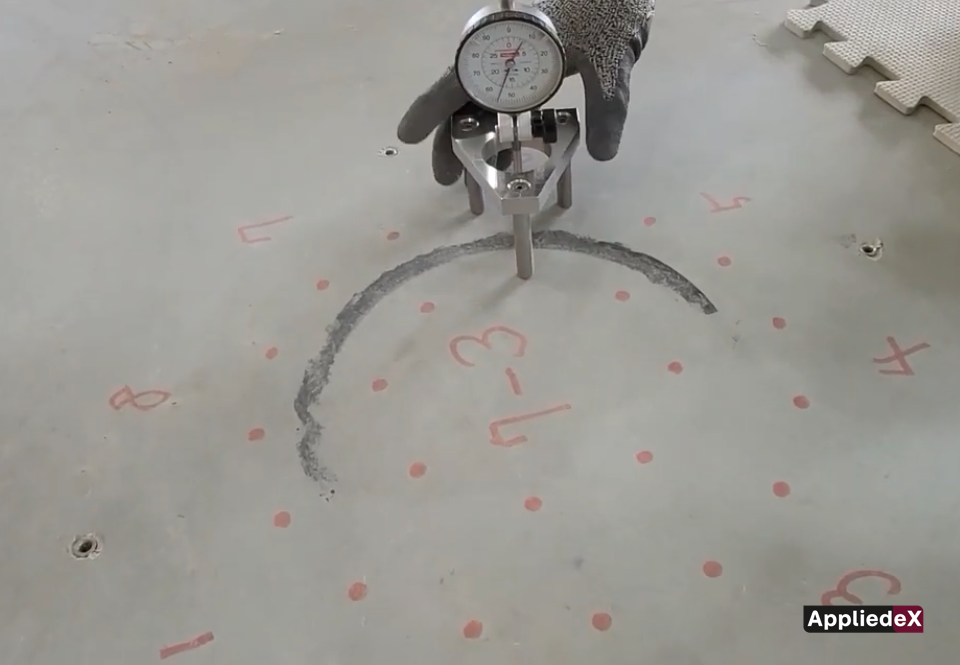
Testing Strategy
Testing should be performed in representative and high-risk areas, including:
- Primary travel routes
- Turning and pivoting zones
- Pick-and-drop stations
- Charging locations
- Doorways and transitions
- Different concrete placements
- Previously repaired or treated areas
For automation floors, targeted testing is more valuable than relying only on a general area-based sampling frequency.
Conclusion
BCA abrasion testing provides a fast and technically defensible method of evaluating whether a concrete floor has sufficient surface durability for AMR and AGV traffic.
Within approximately 15 minutes, the test can identify areas at risk of premature wear and provide objective data for acceptance, remediation, and lifecycle planning.
For automated facilities, abrasion resistance should be verified before commissioning—not discovered after thousands of robot cycles have already damaged the floor.